The Most Common Cummins Engine Problems by Generation
The Most Common Cummins Engine Problems by Generation
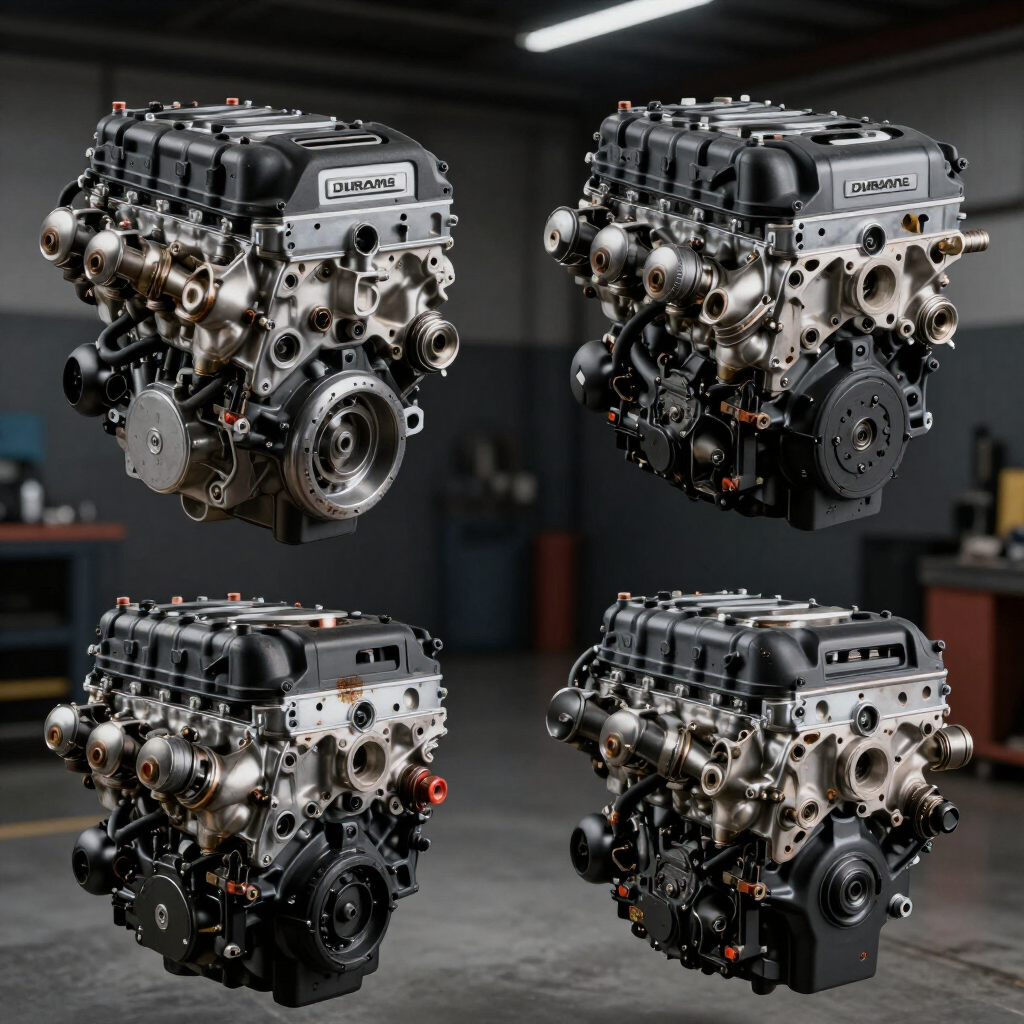
Cummins engines have earned a reputation as some of the most durable diesel powerplants ever built. From the legendary 5.9L 12-valve to today's high-output 6.7L Cummins, these engines are known for longevity, towing capability, and aftermarket support.
However, no diesel engine is perfect. Every generation of Cummins has its own strengths, weaknesses, and common failure points. Understanding these issues can help you catch problems early, avoid costly repairs, and extend the life of your truck.
At Kash Diesel & Auto in Sicklerville, NJ, we work on Cummins-powered trucks every day. Whether you're driving a work truck, towing heavy equipment, or maintaining a fleet, knowing what to watch for can save you thousands in repairs.
Let's break down the most common Cummins engine problems by generation.
First Generation Cummins (1989–1993)
5.9L 12-Valve Cummins
The first-generation 5.9L Cummins helped establish Dodge as a serious player in the diesel truck market. These engines are incredibly simple and reliable compared to modern diesels.
Common Problems
Killer Dowel Pin (KDP)
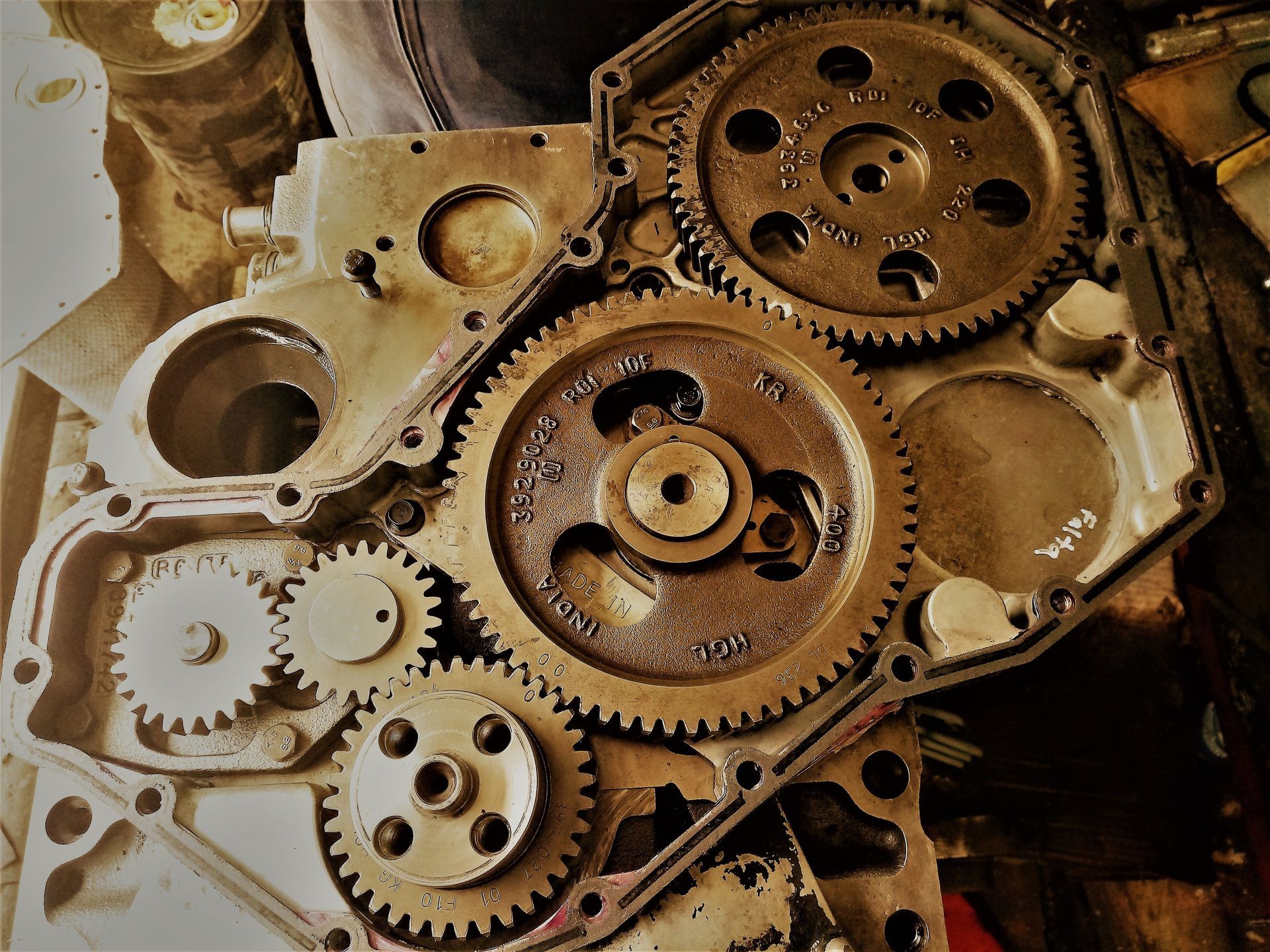
The most famous issue on early Cummins engines is the "Killer Dowel Pin."
A small alignment pin in the timing gear housing can work loose over time and fall into the timing gears, potentially causing catastrophic engine damage.
Symptoms
- Usually no warning signs
- Sudden engine failure
- Timing gear damage
Solution
Installing a KDP retention tab is a simple preventative repair that can save thousands of dollars.
Oil Leaks
As these engines age, front timing covers, valve covers, and rear main seals often develop leaks.
Common Leak Areas
- Front cover
- Rear main seal
- Vacuum pump gasket
- Valve cover gasket
Fuel System Wear
Mechanical injection pumps are extremely durable but eventually wear after hundreds of thousands of miles.
Signs include:
- Hard starting
- Power loss
- Excessive smoke
Second Generation Cummins (1994–1998)
5.9L 12-Valve P-Pump Cummins
Many diesel enthusiasts consider the P-Pump Cummins one of the greatest diesel engines ever built.
Common Problems
Lift Pump Failure
The factory lift pump is known to fail over time.
When fuel pressure drops, it can damage the expensive injection pump.
Symptoms
- Hard starts
- Poor throttle response
- Reduced power
Prevention
Installing a fuel pressure gauge and monitoring pressure regularly can prevent injection pump damage.
Cracked Exhaust Manifolds
Years of heat cycling often cause manifold cracks.
Symptoms include:
- Exhaust leaks
- Whistling sounds
- Reduced turbo efficiency
Front End Wear
While not technically an engine issue, many second-generation trucks develop:
- Ball joint wear
- Steering linkage play
- Track bar failure
These issues are extremely common in older Cummins-powered trucks.
Third Generation Cummins (1998.5–2007)
5.9L 24-Valve Cummins
The introduction of electronic controls and the VP44 injection system brought more power—but also new problems.
VP44 Injection Pump Failure (1998.5–2002)
This is by far the most notorious issue on early third-generation trucks.
The VP44 depends on adequate fuel pressure from the lift pump.
When lift pump pressure drops, the VP44 quickly fails.
Symptoms
- Dead pedal
- Hard starting
- Power loss
- Trouble codes
Repair Cost
VP44 replacement can cost several thousand dollars.
Many owners upgrade to aftermarket fuel systems for protection.
Lift Pump Failure
Just like earlier generations, factory lift pumps remain a weak point.
Many Cummins specialists recommend upgraded fuel systems as preventative maintenance.
Injector Wear
High-mileage 24-valve engines eventually experience injector problems.
Signs
- Excessive smoke
- Poor fuel economy
- Rough idle
- Hard starts
Third Generation Cummins (2003–2007)
Common Rail 5.9L Cummins
Many enthusiasts consider this the sweet spot of Cummins reliability.
It offers modern power without the emissions complexity of newer trucks.
Common Problems
Injector Failure
Common rail injectors eventually wear or stick.
Symptoms include:
- White smoke
- Fuel knock
- Rough idle
- Excessive fuel consumption
Turbocharger Wear
Variable geometry turbos were not yet used, but turbo wear still occurs with mileage.
Watch for:
- Whining noises
- Excessive shaft play
- Reduced boost
Fuel Rail Pressure Issues
Pressure relief valves can weaken over time.
This causes:
- Low fuel pressure
- Reduced power
- Check engine lights
Fourth Generation Cummins (2007.5–2018)
6.7L Cummins
The 6.7L Cummins introduced emissions systems and variable geometry turbochargers.
While extremely capable, it also introduced several new failure points.
Turbo Actuator Failure
One of the most common 6.7L Cummins repairs.
The VGT turbo actuator controls turbo vane position.
Symptoms
- Check engine light
- Loss of boost
- Exhaust brake failure
- Reduced power
EGR System Problems
Exhaust Gas Recirculation systems can become clogged with soot.
Signs
- Rough idle
- Reduced fuel economy
- Check engine lights
- Excessive smoke
DPF Problems
Diesel Particulate Filters require regular regeneration.
Short trips and excessive idling can cause clogging.
Symptoms
- Frequent regens
- Reduced power
- Limp mode
- Poor MPG
Grid Heater Bolt Failure
This issue has received significant attention among Cummins owners.
A grid heater bolt can loosen and enter the engine.
Potential Damage
- Bent valves
- Piston damage
- Complete engine failure
Many owners choose aftermarket solutions to eliminate this risk.
Fifth Generation Cummins (2019–Present)
Modern 6.7L Cummins
Today's Cummins engines produce incredible torque and towing capability.
However, modern emissions systems create new maintenance challenges.
DEF System Failures
The Diesel Exhaust Fluid system includes:
- DEF injectors
- DEF pumps
- NOx sensors
- SCR catalysts
Failures can trigger:
- Warning lights
- Reduced power
- Limp mode
NOx Sensor Issues
NOx sensors frequently fail across many modern diesel platforms.
Symptoms
- Check engine light
- Emissions warnings
- Reduced performance
EGR and DPF Maintenance
Modern emissions systems are more reliable than earlier designs but still require proper maintenance.
Frequent short trips increase the likelihood of issues.
How to Prevent Common Cummins Problems
Regardless of generation, preventative maintenance remains the best defense.
Key Maintenance Practices
- Change oil on schedule
- Replace fuel filters regularly
- Monitor fuel pressure
- Address warning lights immediately
- Perform cooling system maintenance
- Avoid ignoring small leaks
- Use high-quality fuel
- Service emissions systems proactively
The sooner a problem is diagnosed, the less expensive it usually is to repair.
FAQs About Cummins Engine Problems
Which Cummins engine is the most reliable?
Many enthusiasts consider the 2003–2007 Common Rail 5.9L Cummins one of the most reliable diesel engines ever produced due to its balance of power and simplicity.
What is the most common Cummins repair?
For newer trucks, turbo actuator and emissions-related repairs are among the most common. For older trucks, fuel system issues and injector wear are frequent concerns.
How long will a Cummins engine last?
With proper maintenance, many Cummins engines exceed 300,000 miles. Some reach 500,000 miles or more before major rebuilds are needed.
Is the 6.7 Cummins reliable?
Yes. The 6.7L Cummins is generally very reliable, but owners should stay ahead of turbo, emissions, and grid heater maintenance.
Can Kash Diesel diagnose Cummins-specific issues?
Absolutely. We specialize in diagnosing and repairing Cummins-powered trucks of all generations.
Keep Your Cummins Running Strong
Whether you drive a classic 12-valve, a reliable 5.9 Common Rail, or a modern high-output 6.7L Cummins, proper maintenance is the key to longevity.
At Kash Diesel & Auto, we provide:
- Cummins diagnostics
- Injector replacement
- Turbocharger repair
- Emissions system service
- Engine rebuilds
- Fleet maintenance
- Performance upgrades
Visit us at
883 Jarvis Road, Sicklerville, NJ
Call
(267) 978-6620 to schedule service
Visit www.kashdieselandauto.com