How Often Should You Service Your Diesel Truck? A Maintenance Timeline
How Often Should You Service Your Diesel Truck? A Maintenance Timeline
Diesel trucks are built to work harder, tow heavier, and last longer than gasoline vehicles—but only when they’re properly maintained. One of the most common reasons diesel engines suffer premature failure is not abuse, but missed or delayed maintenance.
At Kash Diesel & Auto in Sicklerville, NJ, we work with daily drivers, contractors, and fleet managers across New Jersey, Pennsylvania, and Delaware. One thing they all have in common? The trucks that last the longest are the ones serviced on time, every time.
If you’ve ever wondered
“How often should I really be servicing my diesel truck?”, this guide breaks it down clearly with a realistic, real-world diesel maintenance timeline.
Why Diesel Maintenance Intervals Matter More Than You Think
Diesel engines operate under much higher compression and heat than gas engines. They rely on precise fuel delivery, clean oil, and complex emissions systems to function correctly. When maintenance is skipped, small issues quickly turn into major failures.
Proper diesel maintenance helps:
- Extend engine life well beyond 300,000 miles
- Protect expensive components like injectors and turbos
- Prevent DPF and DEF system failures
- Improve fuel economy and towing reliability
- Reduce breakdowns and unexpected downtime
Skipping maintenance may save money short-term, but it almost always leads to higher repair costs later.
Diesel Truck Maintenance Timeline (Mileage-Based)
Below is a general diesel service schedule. Keep in mind that towing, idling, performance tuning, and climate can shorten these intervals.
Every 5,000–7,500 Miles: Essential Diesel Service
This is the foundation of diesel reliability.
Oil and Filter Change
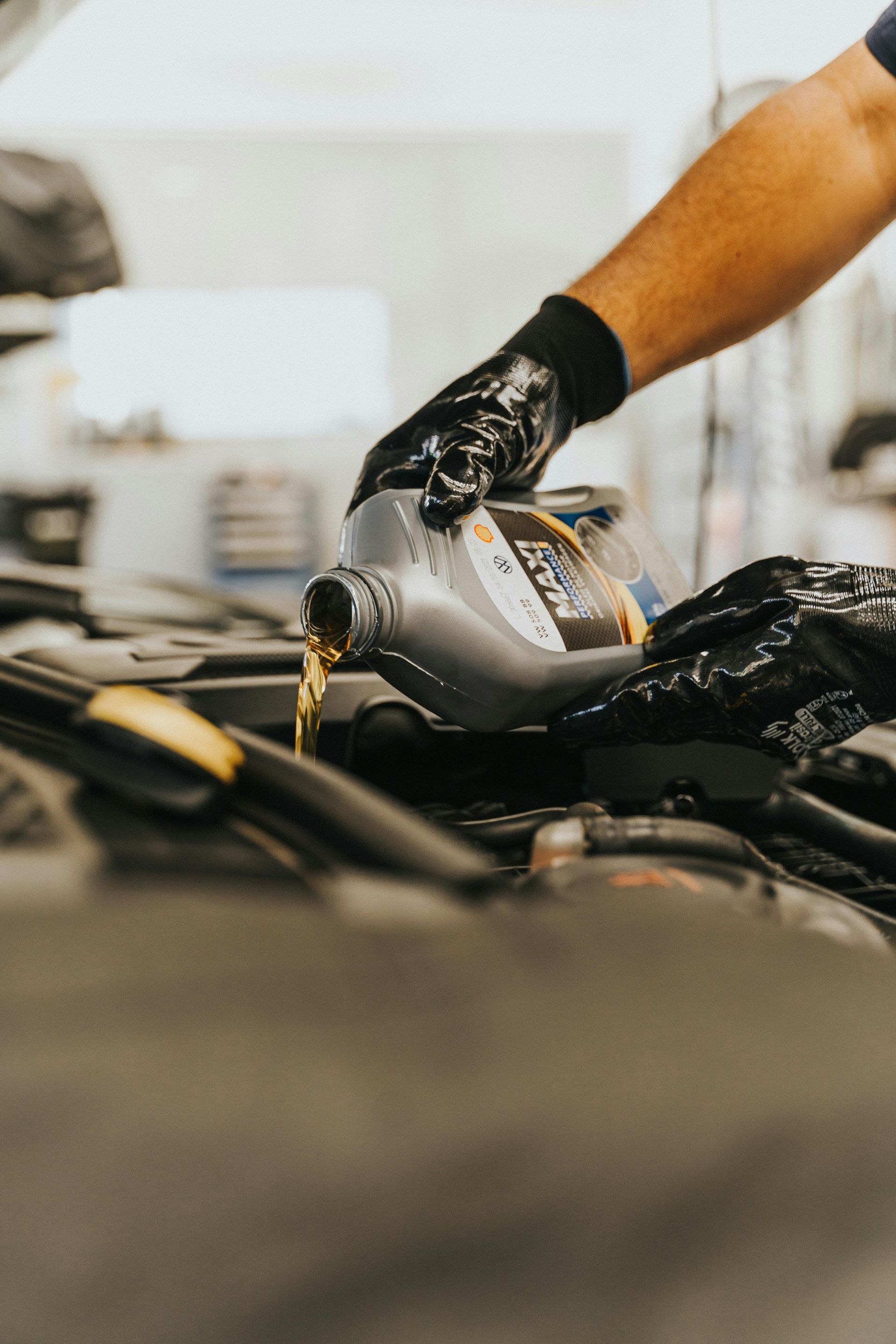
Diesel engines contaminate oil faster due to soot and fuel dilution. Clean oil is critical for turbocharger health and internal engine lubrication. Most trucks should use full synthetic diesel-rated oil.
General Inspection
During every service, your diesel shop should inspect:
- Belts and hoses
- Coolant level and condition
- Fluid leaks
- Battery terminals and cables
- Air intake system
Battery and Charging System Check
Diesel trucks require strong batteries to power glow plugs, grid heaters, and high-compression starts. Weak batteries cause hard starts and strain electrical components.
Every 15,000–20,000 Miles: Fuel and Wear Items
Fuel Filter Replacement
Clean fuel is critical. Dirty fuel filters cause injector damage, hard starts, reduced power, and poor fuel economy. Injector repairs can cost thousands—fuel filters are cheap insurance.
Air Filter Inspection or Replacement
Restricted airflow increases exhaust temperatures and reduces efficiency. Trucks used in construction, farming, or dusty environments may need more frequent replacement.
Brake Inspection
Diesel trucks are heavier and work harder, especially when towing. Regular brake checks prevent rotor damage and unsafe stopping distances.
Every 30,000 Miles: Drivetrain and Diagnostic Service
Transmission Service
Heat is the enemy of diesel transmissions. Trucks that tow, plow, or haul regularly should service transmission fluid and filters more often to avoid clutch failure and slipping.
Differential Fluid Service
Front and rear differentials endure heavy loads. Old fluid leads to bearing and gear wear, especially in four-wheel-drive trucks.
Transfer Case Service (4WD Trucks)
Proper lubrication ensures smooth engagement and prevents internal damage.
Full Diesel Diagnostic Scan
A professional scan can identify early warning signs from sensors, emissions systems, and transmission control modules before they trigger limp mode or breakdowns.
Seasonal Diesel Maintenance: Northeast-Specific Needs
In the Northeast, diesel trucks face extreme cold in winter and high humidity in summer. Seasonal service is critical.
Fall and Winter Preparation
- Switch to winter-grade diesel oil if recommended
- Add diesel anti-gel fuel treatment
- Test glow plugs or grid heaters
- Inspect batteries and charging system
- Verify block heater operation
- Check DEF system for crystallization issues
Cold weather is one of the biggest causes of diesel breakdowns when trucks are not prepared.
Spring and Summer Maintenance
- Inspect cooling system and radiator
- Flush coolant if overdue
- Check AC system for work trucks
- Inspect hoses for heat-related cracking
- Clean or replace air filters clogged by winter debris
Maintenance Differences by Diesel Platform
While service intervals are similar, each platform has its own tendencies.
Cummins (5.9L / 6.7L)
Known for longevity, but sensitive to fuel quality and injector health. Regular fuel filter changes are essential.
Powerstroke (6.7L)
Strong performance platform, but benefits from frequent oil changes and consistent emissions system monitoring.
Duramax (LML / L5P)
Excellent balance of power and efficiency, but injector and emissions maintenance must stay on schedule.
Commercial and fleet vehicles often require shorter intervals due to long idle times and heavy loads.
What Happens When Diesel Maintenance Is Ignored
At Kash Diesel, we frequently see trucks come in with major failures that started as minor maintenance issues.
Common consequences include:
- Injector failure from dirty fuel
- Turbocharger damage from contaminated oil
- DPF clogging due to skipped services
- Transmission overheating from old fluid
- Engine rebuilds caused by overheating or lubrication failure
Many of these failures are preventable with routine service.
Kash Diesel’s Maintenance Approach
We don’t believe in one-size-fits-all maintenance schedules. Every truck is different.
At Kash Diesel & Auto, we:
- Build custom service plans based on usage
- Track mileage and service history
- Offer digital inspection reports
- Prioritize preventative maintenance
- Provide honest recommendations, not upsells
For fleet clients, we also offer:
- Scheduled service windows
- Multi-vehicle coordination
- DOT-compliant record keeping
- Reduced downtime planning
FAQs – Diesel Truck Maintenance
How often should diesel oil really be changed?
Most diesel trucks need oil changes every 5,000–7,500 miles. Heavy towing or idling may require shorter intervals.
Is maintenance different for tuned trucks?
Yes. Performance tuning often increases heat and fuel demand, meaning more frequent service is recommended.
Can maintenance prevent expensive repairs?
Absolutely. Routine service is the number one factor in diesel engines reaching 300,000–400,000 miles.
Do you service fleet vehicles?
Yes. We specialize in fleet diesel maintenance across NJ, PA, and DE.
Do you provide maintenance reminders?
We help customers track service intervals so nothing is missed.
Schedule Your Diesel Service with Kash Diesel
If you’re unsure when your last diesel service was—or want to make sure your truck is on the right schedule—now is the time to act. Preventative maintenance is always cheaper than repairs.
Call
Kash Diesel & Auto at
(267) 978-6620
Visit us at
883 Jarvis Road, Sicklerville, NJ
Serving diesel drivers across
New Jersey, Pennsylvania, and Delaware